
Letterpress

What is Letterpress?

For over five centuries, books, newspapers and magazines were produced exclusively using this printing process. The printing technique invented by Johannes Gutenberg in the middle of the 15th century has since evolved. In the 1960s and 1970s, it was displaced by offset printing due to ever-increasing print runs, but has been experiencing a major renaissance in recent years for high-quality and tactile applications.

In the past, the letters were painstakingly set by hand using individual lead letters. Nowadays, specially produced printing plates per printed page make this work step easier. This creates more freedom and creativity in the design of the printed products. Letterpress is a craft that continues to be practiced and improved worldwide thanks to many enthusiastic letterpress specialists and the indestructible letterpress machines from the last century.


How does letterpress work?

Letterpress basically works as it did 570 years ago. The letterpress printer produces a printing form, called a cliché, according to individual requirements. Nowadays, these clichés are made of metal or polymer and show the raised print image. Letterpress machines then simultaneously print the ink and the characteristic deep embossing onto the paper. Letterpress paper requires a certain volume, high stability and high-quality, long paper fibers. If the paper is too thin, it will tear due to the high pressure of the letterpress machine. If the paper fibers are too short, the motifs will be flat. Only one color can be applied per print run. Several printing passes are necessary for multi-colored prints.

Typical of letterpress printing is the relief, the deep embossing of the letters and designs, which makes the printed products a sensual experience. Letterpress not only looks good, it also feels good on the right paper.


Characteristics of letterpress

Look and feel: the tactile embossing and elegant appearance make letterpress products particularly high-quality.

Individual and exclusive print products: ideal for small, personalized print runs such as invitations, stationery or business cards.

Durability: the embossing and high-quality materials ensure a robust impression.

Which Gmund paper for letterpress?

Modern letterpress printing is effective due to the resulting deep embossing.

Papers from 300 g/m² are particularly interesting.

The print looks handcrafted and natural.

Letterpress is particularly environmentally friendly, which can be emphasized by a naturally rough paper surface.

Suggested collection: Gmund Bio Cycle, Gmund Heidi, Les Naturals

Find the perfect paper

Note: all papers from 120 g/m² can be used.

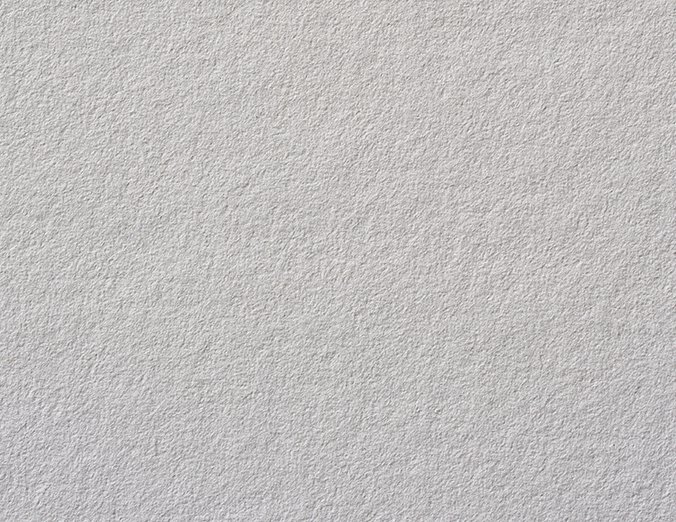
Gmund Cotton
Max White
110, 300, 450, 600 g/m²
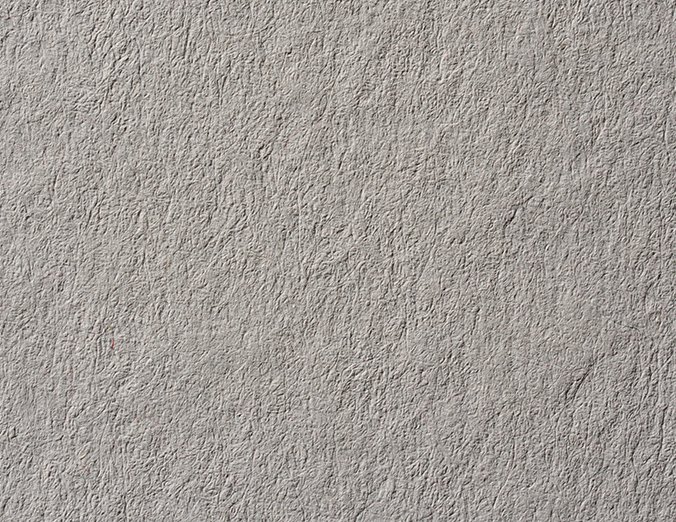
Gmund Heidi
Faded Grey
330, 530 g/m²
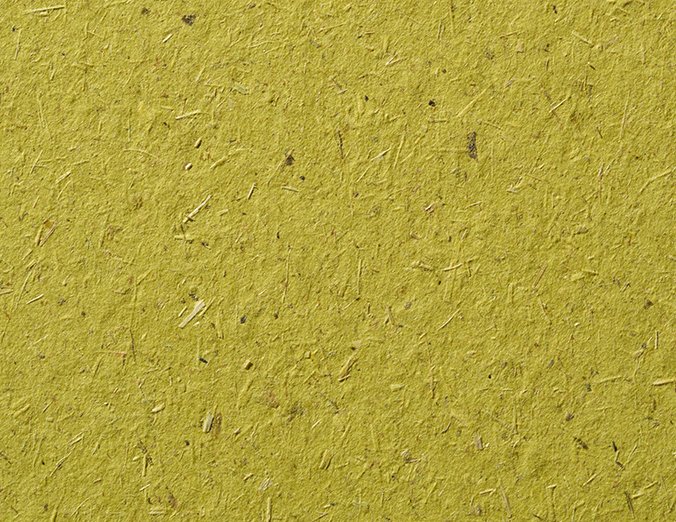
Gmund Bio Cycle
Chlorophyll Blattgruen
300, 600 g/m²
Gmund Cotton
New Grey
110, 300, 600, 900 g/m²

What should I bear in mind when processing Gmund papers?

– The paper surface can vary slightly depending on how it is produced.
– Natural papers have a top and bottom side. It is recommended to use the top side of the paper as the front side for the printed object.
– When printing and processing, the recommendations of the manufacturers of machines, printing inks, adhesives, laminating and embossing foils etc. must be observed. Gmund cannot accept any liability for damage caused by incorrect application.

Environmentally friendly
Gmund processes renewable raw materials with an ecological self-image, paper expertise and an instinct for colour and design.
Quality
With almost 200 years of experience in paper production, we manufacture unique products with an outstanding look and feel in Gmund.
Comprehensive
Take a look: samples of all Gmund papers and envelopes can be ordered easily and conveniently via our online shop.